Showing posts with label SCIENCE. Show all posts

Friday, 24 June 2016

Mystery 'extinct' space rock found in Sweden

A morsel of never-before-seen alien rock has been dug up in a limestone quarry in Sweden, where it had lain deeply buried for about 470 million years, scientists have said.
The biscuit-sized remains are unlike any other meteorite found on Earth to date, and may shed light on the history and formation of our Solar System, they reported in the journal Nature Communications.
Mystery 'extinct' space rock found in Sweden Dubbed Öst 65, it is thought to be a splinter of a potato-shaped rock some 20-30 kilometres (12-19 miles) wide, which had smashed into another much larger body, sprinkling our adolescent planet with debris.
Previously, remnants of only one of the two rocks had been found, in the form of meteorites called chondrites.
But now scientists believe they have unearthed a piece of the second space orb, boosting the theory of a major smash-up between two galactic travellers.
It is thought that the breakup of the bigger chondrite body, about 100-150km across, had yielded a major cluster of rocky debris in the asteroid belt between Mars and Jupiter.
The resultant flux of extraterrestrial material, some of which rained down on Earth, coincided with a massive expansion of invertebrate ocean life at a time our planet's landmass was largely fused together into a supercontinent called Gondwana.
"The single meteorite that we now found... is of a type that we do not know of from today's world," study co-author Birger Schmitz of Lund University in Sweden told AFP.
Along with about 100 chondrite pieces discovered to date, the new alien fragment had sunk to the floor of an ocean covering parts of what today is a limestone quarry in southern Sweden.

'Extinct' space rock? 
"The object contains very high concentrations (compared to Earth materials), of elements such as iridium, which is very rare on Earth," Schmitz explained by email.
"The meteorite also contains high concentrations of rare isotopes of the element Neon" -- and in different proportions than in chondrites.
The team measured telltale signs of cosmic radiation in the meteorite to determine how long it had flown around in space before crashing to Earth.
"Our meteorite fell 470 million years ago," said Schmitz -- more or less the same period as the chondrite fragments.
The mysterious morsel "may be a fragment of the impactor that broke up the (chondrite) parent body," concluded the study.
The extraterrestrial lander may be the first documented example of an "extinct meteorite" -- so called because it's parent body had been entirely consumed by space collisions, meaning no more fragments can fall to Earth today.
Chondrites still drop to our planet every now and then.
The findings mean that today's meteorites -- on which scientists base much of their assumptions about our Solar System's formation -- are not fully representative of what is, and once was, out there.
"Apparently, there is potential to reconstruct important aspects of solar-system history by looking down on Earth sediments, in addition to looking up at the skies," wrote the study authors.

Taken from The Local


New Thoughts on Dog Domestication

Dog domestication NewgrangeOXFORD, ENGLAND—A genetic study led by Laurent Frantz of the University of Oxford suggests that dogs may have been domesticated separately in Asia and in Europe or the Near East. The researchers obtained DNA from the inner ear bone of a nearly 5,000-year-old dog discovered at Newgrange, a site on the east coast of Ireland, and sequenced its entire genome. They then compared it to the nuclear DNA of 605 modern dogs from around the world and calculated a genetic mutation rate. The analysis revealed a divide between Asian dogs and European dogs between 6,400 and 14,000 years ago, and a sharp decline in the numbers of European dogs. “We never saw this split before because we didn’t have enough samples,” project leader and evolutionary biologist Greger Larson said in a report in Science. Remains of dogs found in Germany have been estimated to be more than 16,000 years old, however, suggesting that dogs could have been domesticated in Europe before migrating Asian dogs might have replaced them. “We don’t know if the dogs that evolved [early] in Europe were an evolutionary dead end, but we can safely say that their genetic legacy has mostly been erased from today’s dogs,” said Frantz.

Thursday, 16 June 2016

May’s temperatures break global record, NASA says

May’s temperatures broke global records yet again, as the northern hemisphere finishes its hottest spring on record, statistics released by NASA showed. The Arctic in particular experienced abnormal heat, causing Arctic sea ice and the Greenland ice sheet to start melting unusually early, said NASA.

Sustainable Prehistoric Oyster Harvests

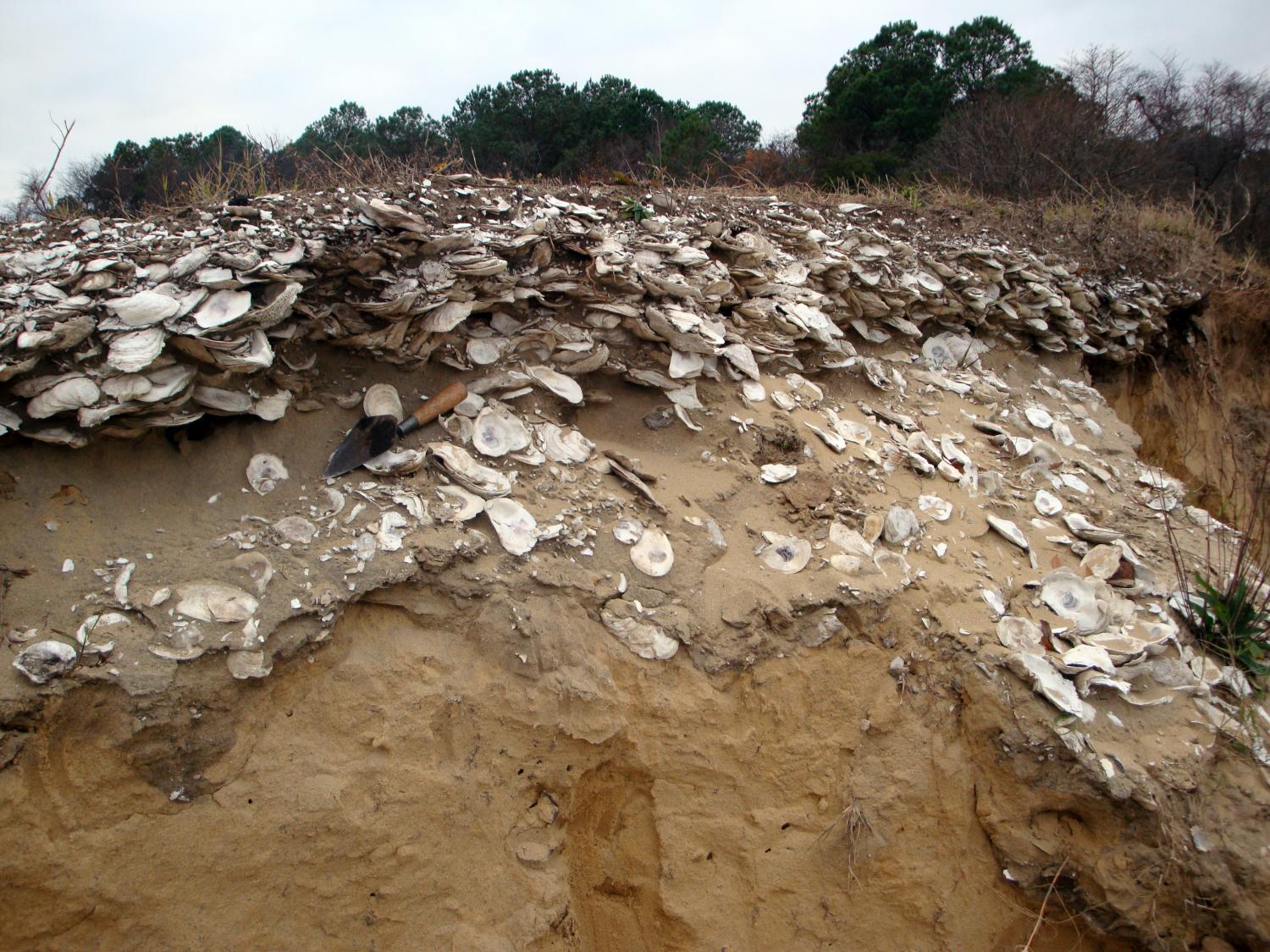
Chesapeake Bay Oyster MiddensA team led by Smithsonian Institution archaeologiest Torben Rick has found that prehistoric Native Americans in Chesapeake Bay used sustainable methods to harvest oysters. The group studied a series of prehistoric shell mounds in the area. expecting to find that the size of oysters would decrease over time as they were harvested more intensively. But while they found size did fluctuate through the centuries, there was no evidence for an overall decline in shell size from about 3,500 to 400 years ago. Archaeologists all over the world have documented size declines where indigenous peoples were intensively harvesting shellfish, Rick told the Bay Journal. "We didn't find that at all" Rick hopes that study of the prehistoric oyster fishery might help imform efforts to rebuild the modern oyster population in Chesapeake Bay, which is just one percent of what it was a hundred years ago. 

Thursday, 2 June 2016

Tracking the Black Death with Pottery

England Black Plague Sherd
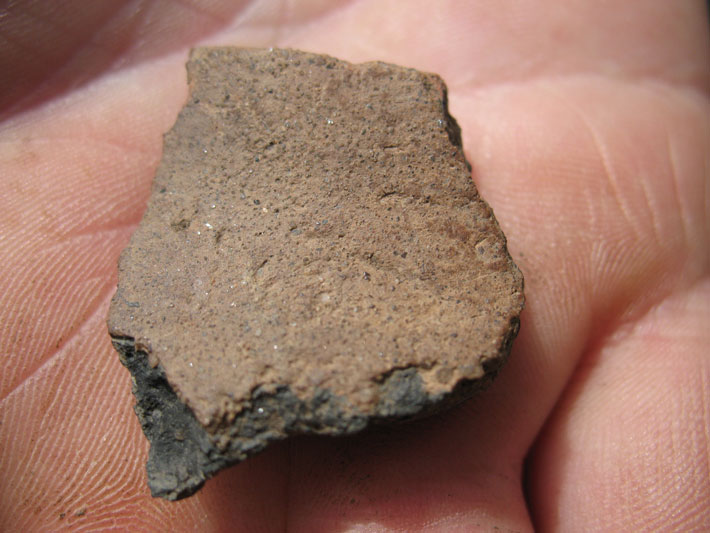
Examination of pottery from a widespread excavation campaign in eastern England supports the idea that there was a massive demographic collapse in the wake of the Black Death which ravaged the country between 1346 and 1351. Because relatively few plague burials have been found, some scholars have doubted that the scale of depopulation was as great as medieval accounts suggest. But according to The Guardian, Archaeologist Carenza Lewis decided to test that hypothesis by using the relative amounts of domestic pottery recovered from different levels of some 2,000 standard test pits as a proxy for human population levels. Volunteers dug the pits in 55 rural locations known to have been occupied in the fourteenth century, and Lewis then analyzed the tens of thousands of pottery sherds that were recovered. Her study suggests the Black Death was responsible for an average population decline of 45 percent in the region, with some sites showing evidence of even steeper declines of up to 85 percent. 

Site of Idaho's Bear River Massacre Located

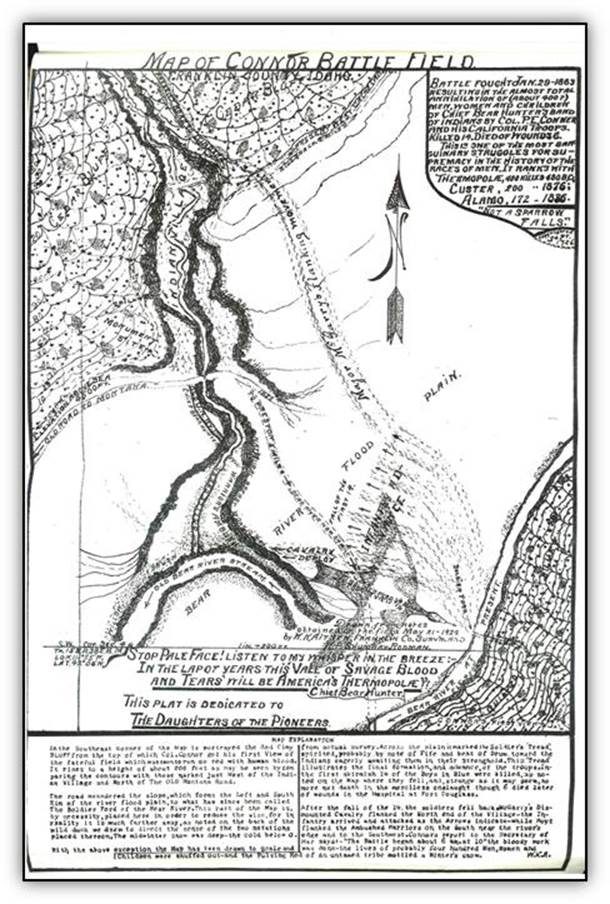
Idaho Battlefield MapIn January 1863, Union Army Soldiers killed hundreds of Northwestern Shoshone. The attack, known as the Bear River Massacre, took place at the confluence of Battle Creek and Bear River in eastern Idaho, but pinpointing it had been challenging since the river's course has shifted multiple times in the past century and a half.
Now a team of archaeologists lead by Ken Reid has used modern technology and maps made by soldiers who took part in the attack to determine that it took place around 2,300 feet north of where the creek and river join today. When Col. Patrick Connor and his 300 soldiers and cavalry launched their attack on January 29, 1863, Shoshone women and children tried to flee at the bottom of a nearby ravine.

Neolithic Chinese Beer Recipe

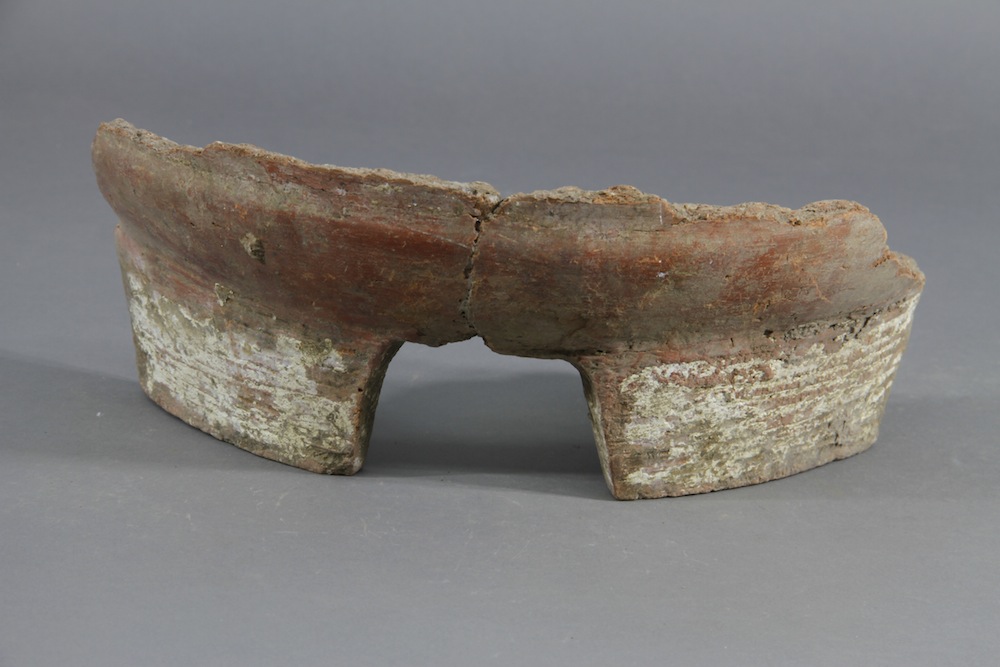
Neolithic Chinese Ceramics BeerA new study suggests that ceramic pots and funnels unearthed at a Neolithic site in Shaanxi province were used in China's earliest known brewery. Those artifacts dated back to 3400 B.C and found traces of the chemical compound oxalate, a byproduct of brewing beer. also the residue of grains including barley which is the earliest known in China as far.

Archaeologists Produce 3-D Models of Shipwrecks

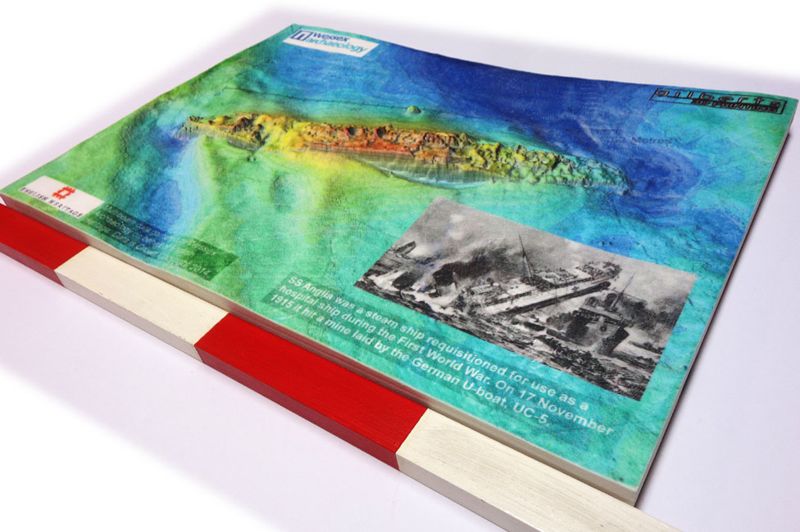
Scotland shipwreck 3DAccording to a report from BBC News, archaeologists have used 3-D printing technology to produce models of two wrecks that lie in waters off the UK. One wreck sits near drumbeg and dates to the seventeenth or early eighteenth century. It may be the Crowned Raven, a Dutch trading vessel that sank in the bay in 1690 or 1691 while route from the Baltic Sea to Portugal. The other wreck is the HMHS Angila, a World War I hospital ship that was lost off in 1915 after striking a German mine.  Experts from Wessex Archaeology used a range of imaging techniques as well as historical a resources to produce the models of the wrecks.

Coffins discovered at Scottish School

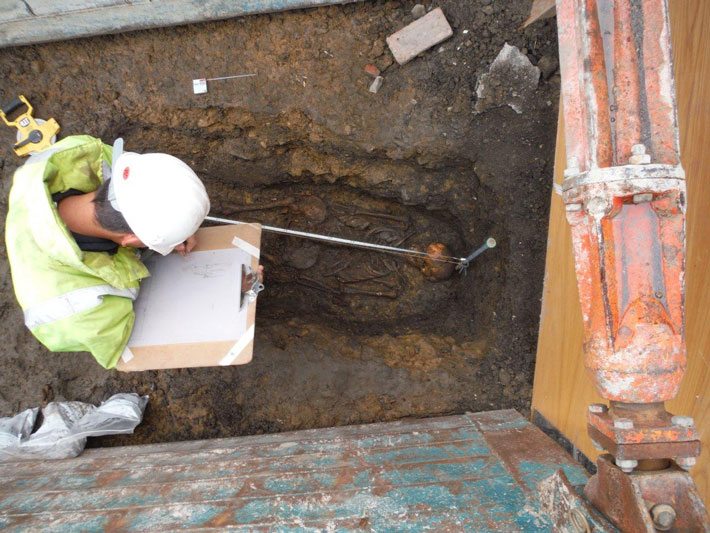
The outlines of at least nine coffins have been discovered on the grounds of a primary school in the town of Leith, north of Edinburgh. The discovery was made as part of an excavation in advance of new building construction, which also turned up a lone skeleton earlier this year. "These excavations have unearthed what appears to be a complex cemetery thought to date from the fifteen to the seventeenth centuries" John Lawson, an archaeologist with the City of Edinburgh Council, said in a report in the Edinburgh Evening News," containing at least nine graves including adults and young children buried in coffins"

Industrial Revolution Era Burials Found in England

Excavations at the site of a future shopping center in Leeds have revealed the burials of at least 28 people, mainly children, who died between 1797 and 1848.
According to a report published in Yorkshire Evening Post, analysis of the remains shows that the people were in extremely poor health and some may have possibly died during an 1832 cholera outbreak. The condition pf the remains confirms that living conditions in the city were particularly grim for the lower classes.
Bio-archaeologists found that at least nine of the children suffered from diseases such as rickets and scurvy.

Egyptian Spells Deciphered

According to Discovery, two newly deciphered papyri from Egypt dating to the third century A. D. contain spells that deal with love and control.


The papyri, which were written in Greek, were discovered aas part of a larger cache more than 100 years ago in Oxyrhynchus, Egypt and have been gradually studied and translated since then. One spell instructs the spell caster to burn a number of offerings in a bathhouse and write a spell on its walls calling on the gods to burn the heart of a woman who has withheld her love. The other, designed to force a man to obey the caster's every command; instructs the caster to engrave a series of magical words onto a copper plaque and then affix it to something the man wears, such as a sandal.The spells were translated by Franco Maltomini of the University of Udine in Italy, and both were written so the caster could insert a target of their choice.

Castle Discovered in Wales

According to North Wales Chronicle, Archaeologists in northern Wales have unearthed the remains of a small medieval castle. A team lead by Jane Kenny of the Gwynedd Archaeological Trust spent two two years working at the site , known as Han Gastell, which had previously been supposed to be an Iron Age hillfort. But instead of prehistoric fortifications, the team discovered the remains of a defended enclosure dating to the eleventh and twelfth centuries. Kenney speculates that it was probably built by a minor noble and then occupied by no more than four generations before being abandoned. Post  holes at the site indicated that the castle once had a large timber hall tower and the discovery of a large amount of metal slag showed it had its own blacksmith. The team also discovered decorative bronze and brass object as well as an iron knife.

Saturday, 21 May 2016

U.S. Returns Christopher Columbus Letter to Italy

After his initial voyage in 1493, Christopher Columbus wrote a letter to his patrons, Ferdinand and Isabella of Spain, which was reprinted and distributed to spread information about the New World. According to a report published in Live Science, a joint American-Italian investigation team has determined that one of the 80 surviving copies of the letter, donated to the Library of Congress, has been stolen from the Riccardiana Library in Florence. Italy, where a forgery had been left in its place. The forged document, in addition to having mismatched stitching, lacked an original Riccardiana Library stamp. Investigators also found that bleach had been used to remove the Riccardiana Library's stamp from the letter in the  Library of Congress. How the theft took place is still under investigation.

Friday, 20 May 2016

Genetic Study may Track Dogs' Travels with Humans

A genetic study of a sexually transmitted canine cancer has offered clues to how dogs may have traveled around the world with their humans. Scientists analyzed the DNA of 440 nine tumors that exist today. Additional mutation allowed the scientists to trace the tumor's family tree. 
The research estimated the time since the mitochondrial transfer events by counting the number of mutations. One of them really seems to just track around maritime trade routes, in the last few hundred years. We found it along the coast of West Africa, in the Cape Vede Islands, Brazil, South Africa, India and some parts of southern Europe.

Port Arthur Prison Yard Yields Convicts' Artifacts

Excavation of the exercise yard at the Port Arthur penitentiary building, World Heritage site in Tasmania, has yielded artifacts related to the convict's leisure time. The key thing about this space was keeping the convict population healthy as if they are healthy then they can work. According  to the study, the yards at first had shelters with fireplaces for the men, Then in the 1860s, toilets and washing areas were added.

Australia prison yard

The 1600 artifacts recovered from the site include recovered from the site include square and circular gambling tokens made of lead, slate and ceramic, buttons and clay pipes. Gambling was not allowed in the prison, so the tokens were probably smuggled into the yard. Many of the clay  pipe stems bear the teeth marks of their onwers, One pipe bowl features images of Napolean and Wellington and may have been made to commemorate the 50th anniversary of the Battle of Waterloo.

Painted Medieval Church Walls Discovered in Norther Sudan

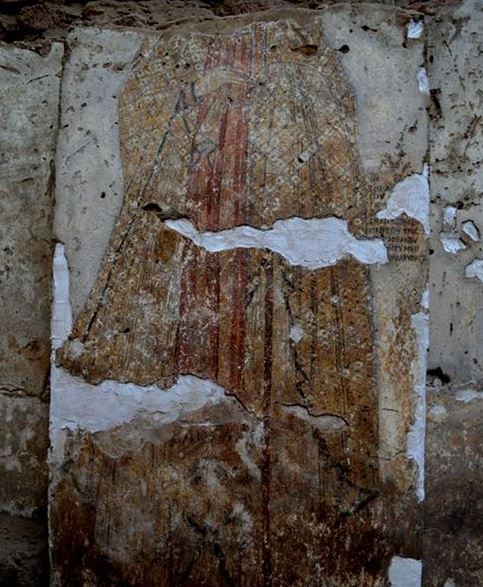
Sudan medieval churchA team from the Center of Mediterranean Archeology at the University of Warsaw is excavating the church of Raphael, part of a royal complex of buildings at the site of Dongola, the capital of Makuria which is a medieval kingdom located in what is now northern Sudan. The church's pulpit was made with hieroglyph-inscribed granite blocks repurposed from a pharaonic temple.Images of archangels, angels , priests, saints and officials of the Nubian kingdom were painted on smooth lime wall plaster with expensive pigments. Each person depicted in the paintings was also identified and described, One of the inscriptions records a meeting at the church attended by the bishops of Makuria, the archbishop of Dongola and the king. 
According to the researchers, the church was founded by king Joannes, until now nothing much is known about him. The inscription proves that he was an important person in the hierarchy of the church and had considerable political influence. 

16th Century Alter Cloth may have been Queen's Skirt Panel

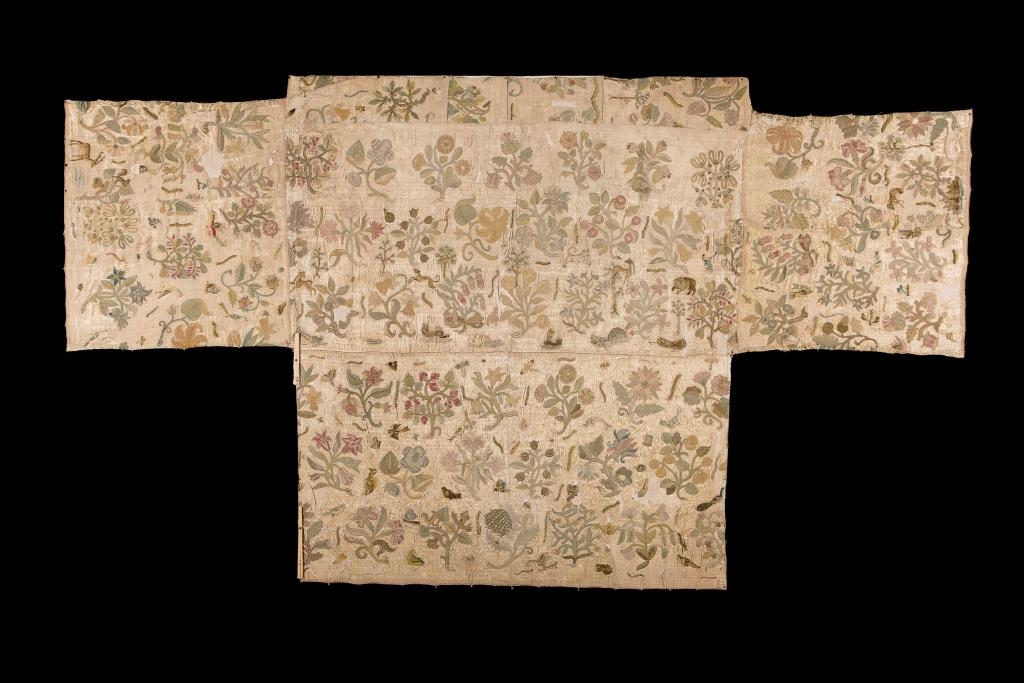
Tudor silver clothExperts from Historic Royal Palaces examined a richly embroidered altar cloth kept in a glass case at St. Faith's Church, Bacton, and determined that it dates to the late sixteenth century. Tradition has associated the cloth with Bacton native Blanche Parry who had a monument commemorating her years of loyal service to the Queen erected at the church. Made from cloth of silver, the fabric has shaped seams at the back that suggest it may have been a skirt panel in a court dress at one time. During the Tudor period, sumptuary law limited the wearing of cloth of silver to the royalty and the highest echelons of the aristocracy. Historians have not found any documentation linking the altar cloth to Elizabeth I but it is similar to the garment worn by the Queen in the Rainbow Portrait and may have been given to Parry as a gift. joint chief curator at Historic Royal Palaces said in BBC News, "This is an incredible find. Items of Tudor dress are exceptionally rare in any case but to uncover one with such a close personal link to Queen Elizabeth I is almost unheard of."

Roman Baths in England

Archaeologists excavating rarely seen areas of the Roman Baths under York street and Swallow Street have found traces of red-painted plaster on the outside wall of the Great Bath. According to a report in The Bath Chronicle, the building may have been painted that color during the Roman period. Samples of that excavation have been sent to Bournemoouth University for analysis. 

Roman Bath excavation

The team has also found evidence of the earliest phases of the Roman Baths, a second bath beneath York Street, the footings of create a new learning center and a World Heritage Center.

Nilometer

Measuring shaft of the Nilometer on Rhoda Island, Cairo
Nilometer
It was a structure for measuring the Nile River's clarity and water level during the annual flood season. It was a step-like structure. IF it was low, there would be famine. If it was high it would be destructive. There was a specific mark that indicated how high the flood should be if the fields were to get soil. 
ceiling of the Nilometer
The ability to predict the volume of the coming inundation was part of the mystique of the Ancient Egyptian priesthood. The same skill also played a political and administrative role, since the quality of the year's flood was used to determine the levels of tax to be paid. This is where the nilometer came into play, with priests monitoring the day-to-day level of the river and announcing the awaited arrival of the summer flood. 

Nilometer Discovered in Ancient Egyptian City

A Nilometer that was probably constructed in the third century B.C., during the reign of Ptolemies, was uncovered by workmen who are building a water pumping station in the ancient Egyptian city of Thmuis.
Measuring shaft of the Nilometer on Rhoda Island, CairoNilometer was a device used by the ancient Egyptian to calculate the water level of the Nile River during  its annual flood, and therefore predict the success of the harvest and compute the tax rate for the year. Rising water from the river may have flowed through a channel or from the rising water table, into the nilometer's circular well, which was accessed by a staircase. One of the large limestone blocks in the nilometer debars a list of Greek names followed by numbers which suggests that these people may have contributed funds to build it. Archaeologists suspect that it was originally located within a temple complex. They would have thought of the Nile River as a god and the nilometer was this point of interface between the spiritual and the pragmatic.